Zinna Abbey

Monasteries , Museums
0 Ratings of 5 (0)
0
0
0
0
0
How did you like your stay? You have already rated your stay.
Monasteries, Museums
From €
Show availability & price

p.P. = pro Person, p.P./N = pro Person / Nacht, p.E./N = pro Einheit/ Nacht, EZ = Einzelzimmer, DZ = Doppelzimmer, FeWo = Holiday flats /home, App. = Appartement, Suite = Suite, FR = Frühstück, HP = Halbpension, VP = VollPension
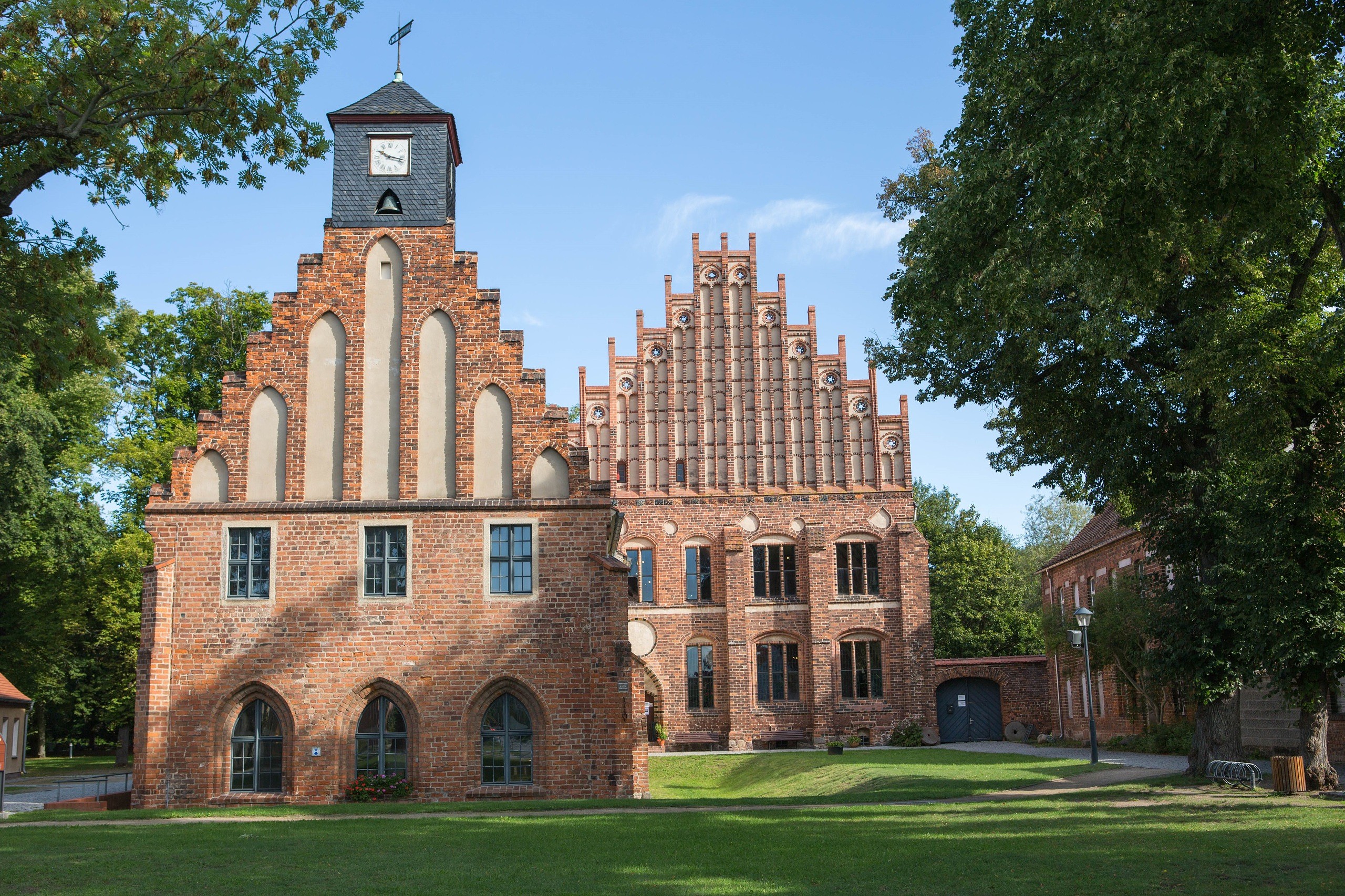
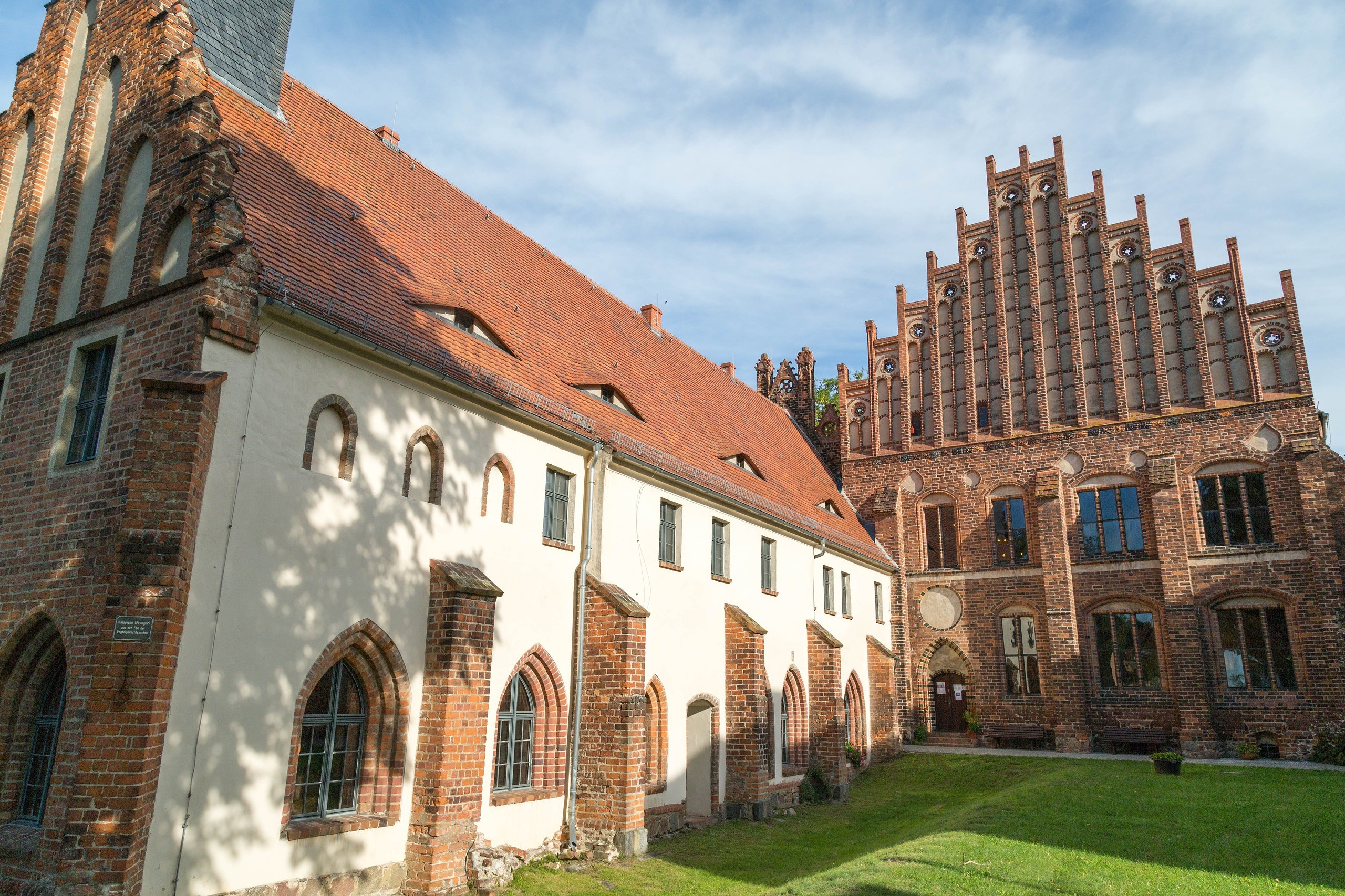
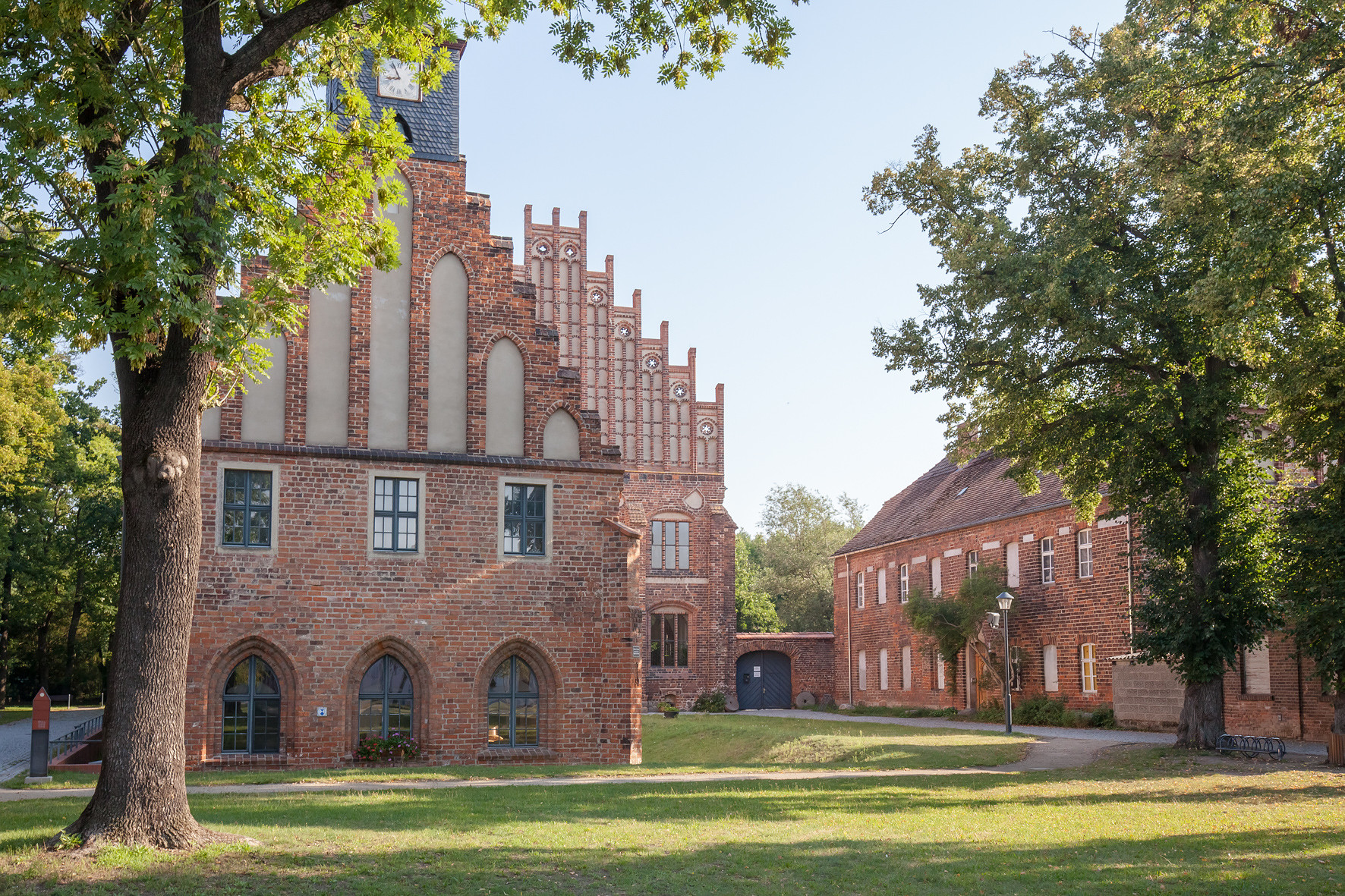
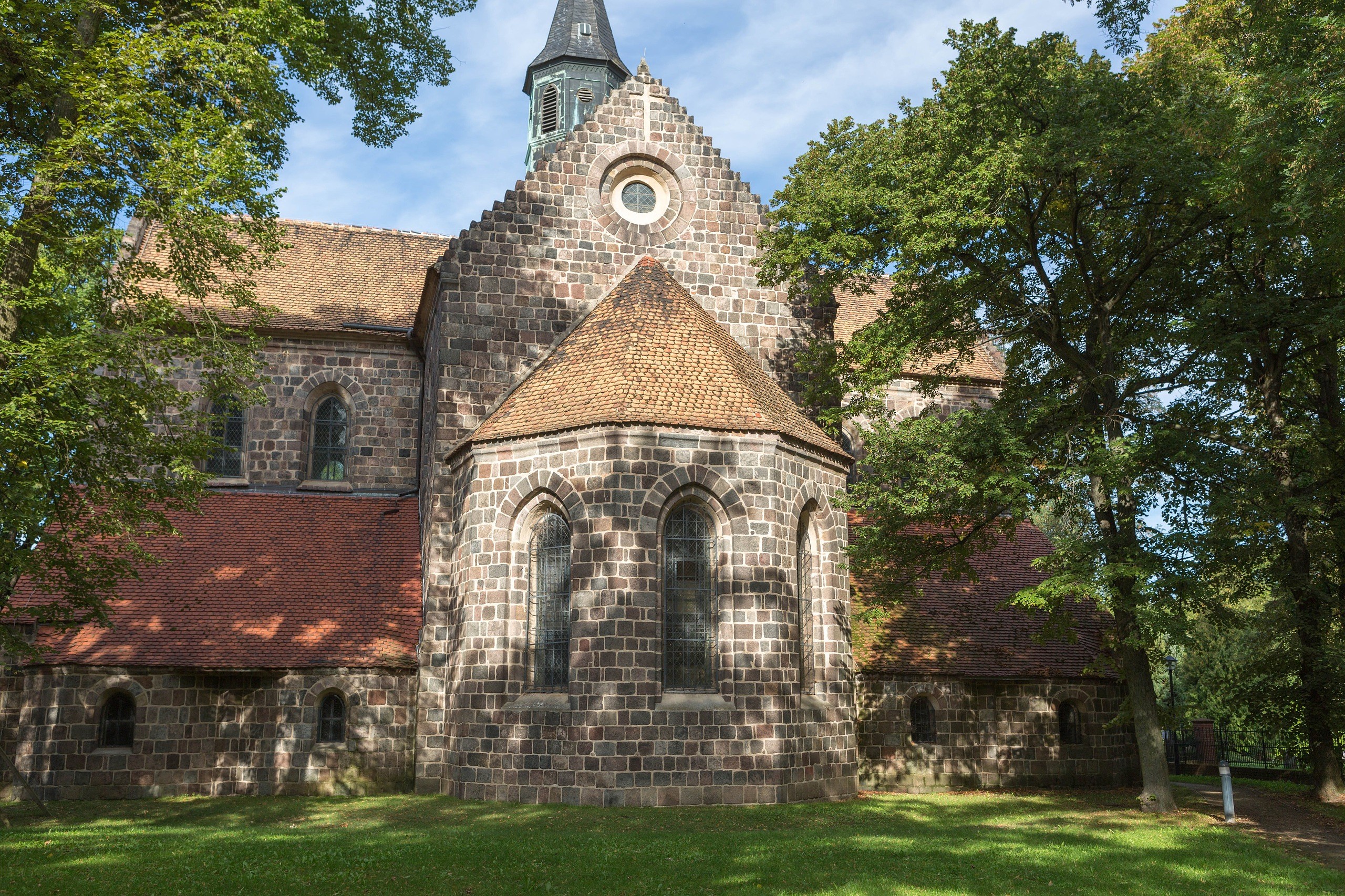
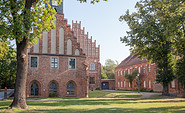
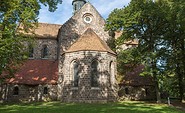
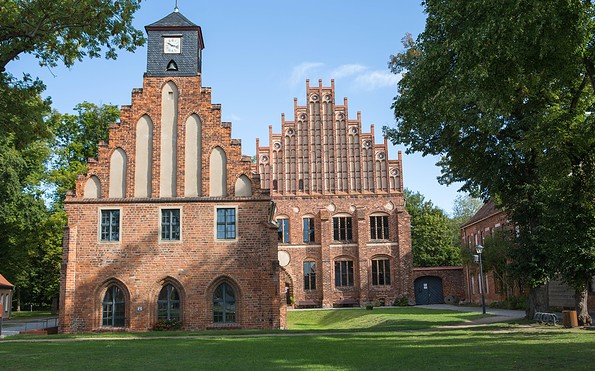
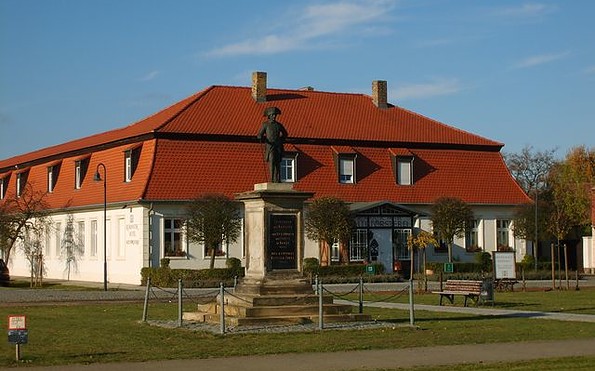
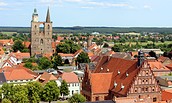
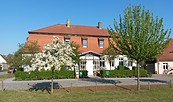
Zinna Abbey is located about an hour by car south of Berlin, directly on the B101. Name giver of the town was the Cistercian Monastery which was founded by Archbishop Wichmann von Magdeburg in 1170. Historic monuments and buildings of the “Niederer Fläming” landscape attest to the life and work of the white monks in the colonial territory east of the Elbe River.
Continue readingcollapse
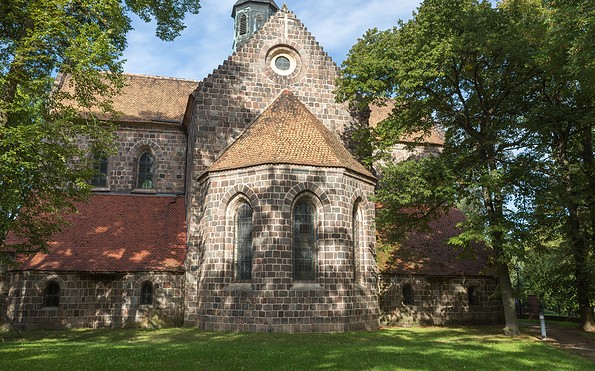
  • Zinna Abbey, picture: TMB-Fotoarchiv/Steffen Lehmann
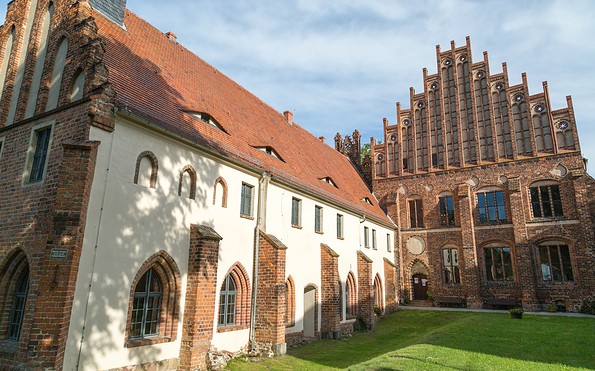
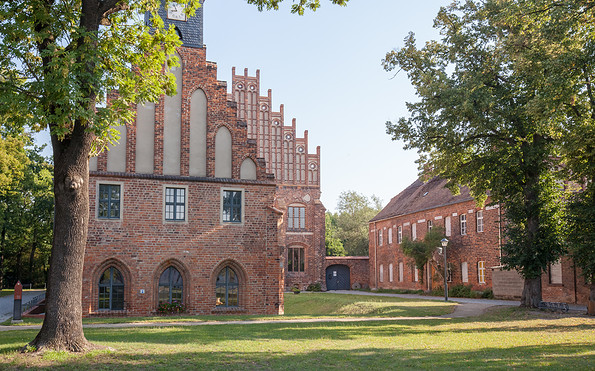
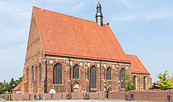
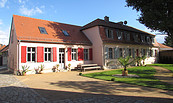
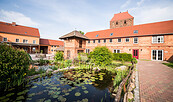
  • Zinna Abbey - Old and New Abbey, picture: Jedrzej Marzecki
  • Zinna Abbey, picture: TMB-Fotoarchiv/Steffen Lehmann
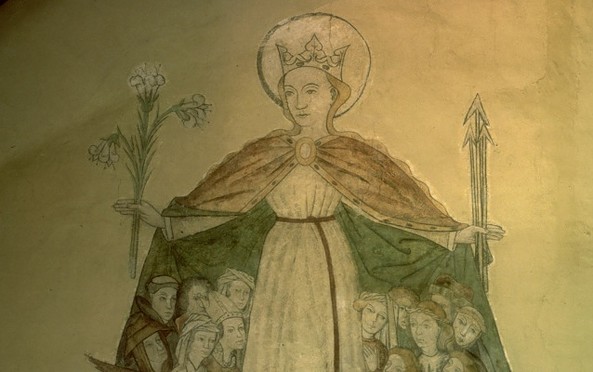
  • Zinna Abbey- fresco, picture: TMB-Fotoarchiv/ Schmidt
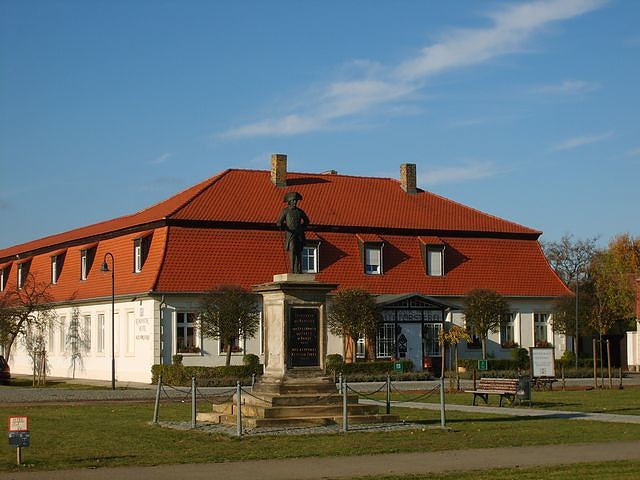
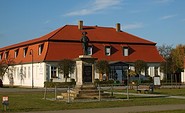
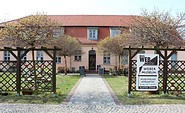
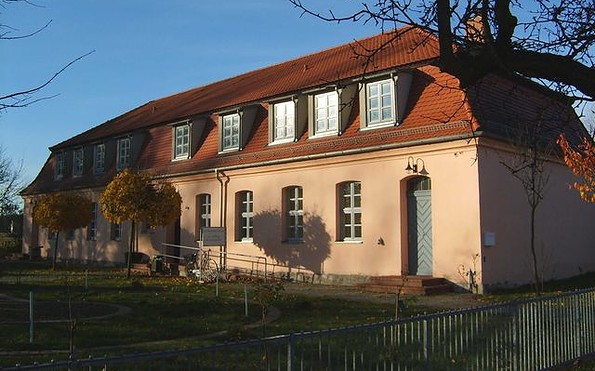
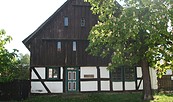
  • Zinna Abbey - The customs house, picture: Museum Kloster Zinna
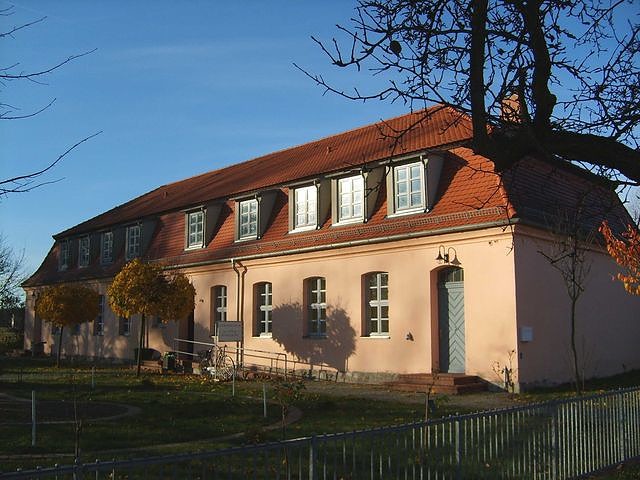
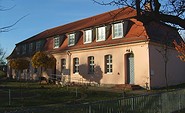
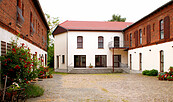
  • Zinna Abbey - The Forestry, picture: Museum Kloster Zinna
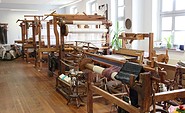
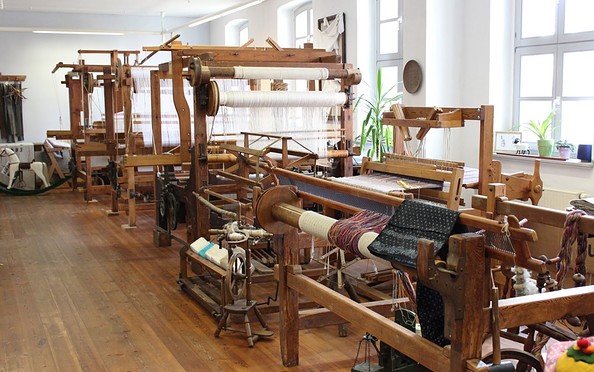
  • weaving house Zinna Abbey, Foto: Tourismusverband Fläming / A. Michel
  • weaving house Zinna Abbey, Foto: Tourismusverband Fläming / A. Michel
  • Zinna Abbey, picture: TMB-Fotoarchiv/Steffen Lehmann
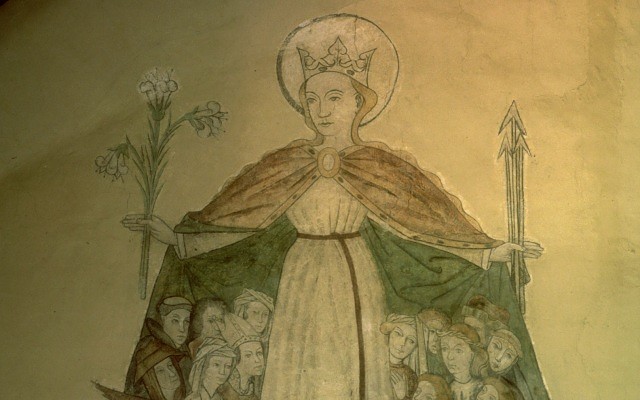
The monastery itself owned significant amounts of land. Among the villages, scattered across the 300-square-kilometre property owned by the monastery, Rüdersdorf, which lies east of Berlin and is known for its limestone quarries, held a special place considering that the local limestone was key to building these precious 14th and 15th century edifices of the Abbey. The Abbey's museum offers detailed information on the Cistercian history. A model of the Abbey gives visitors a rough conception of the site’s dimensions. The chapel's High Gothic frescos reveal the monastic world view of the medieval monks.

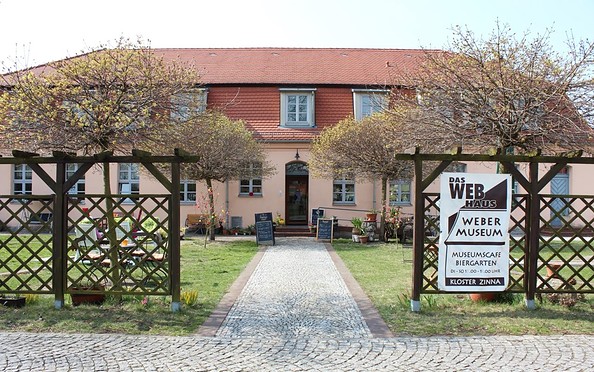
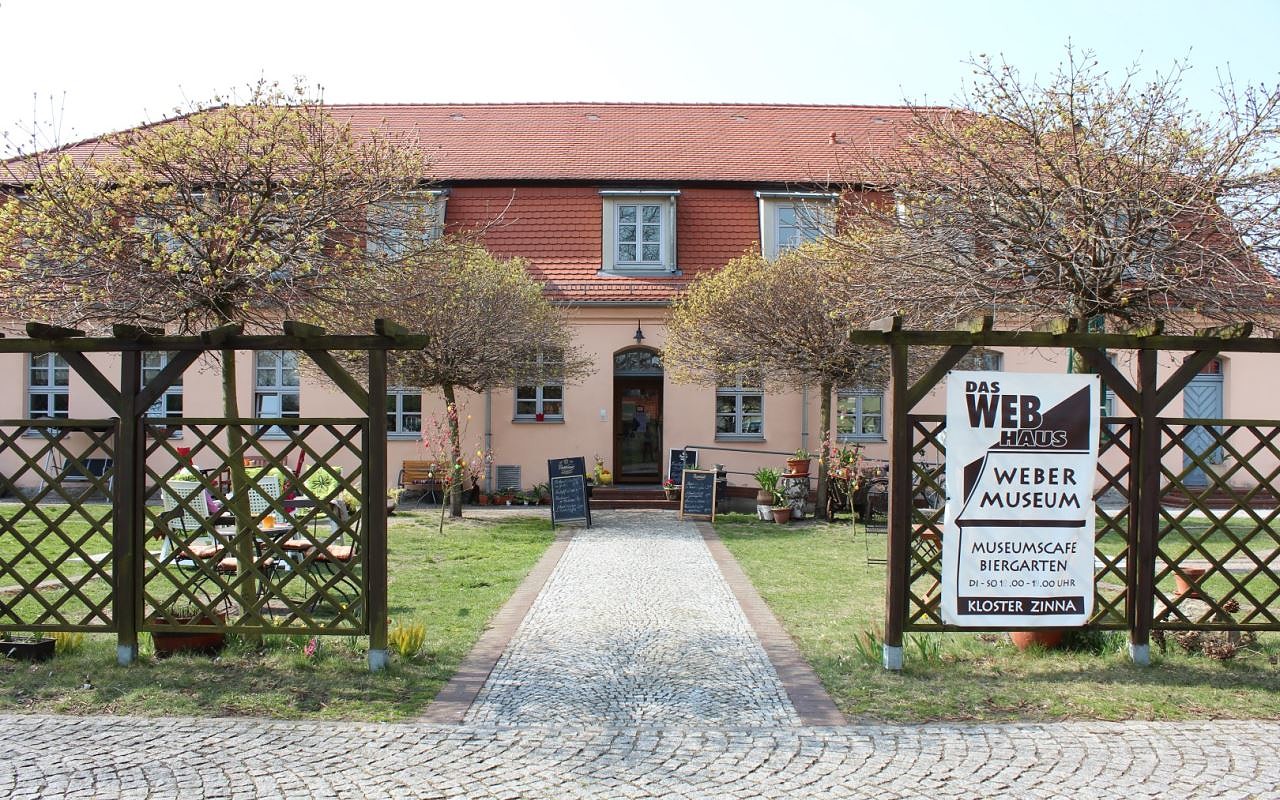
The founding of the town by King Frederick II and old handicrafts and traditions are exhibited in the so-called Zollhaus or customs house. Here, historic hand looms and tools give visitors an idea of the laborious manual labour associated with weaving.

The legendary herbal liquor  “Zinnaer Klosterbruder” is produced in the former Siechenhaus and can be sampled here upon purchasing an admission ticket.

Construction measures until 2023: During extensive renovation work, the Abthaus can unfortunately not be visited. However, the infirmary with the "Zinnaer Klosterbruder" and the weaving house will continue to be open under the currently valid protective measures. From Easter, the monastery church will also be open daily again.
Continue readingcollapse
Zinna Abbey is located about an hour by car south of Berlin, directly on the B101. Name giver of the town was the Cistercian Monastery which was founded by Archbishop Wichmann von Magdeburg in 1170. Historic monuments and buildings of the “Niederer Fläming” landscape attest to the life and work of the white monks in the colonial territory east of the Elbe River.
Continue readingcollapse
  • Zinna Abbey, picture: TMB-Fotoarchiv/Steffen Lehmann
  • Zinna Abbey - Old and New Abbey, picture: Jedrzej Marzecki
  • Zinna Abbey, picture: TMB-Fotoarchiv/Steffen Lehmann
  • Zinna Abbey- fresco, picture: TMB-Fotoarchiv/ Schmidt
  • Zinna Abbey - The customs house, picture: Museum Kloster Zinna
  • Zinna Abbey - The Forestry, picture: Museum Kloster Zinna
  • weaving house Zinna Abbey, Foto: Tourismusverband Fläming / A. Michel
  • weaving house Zinna Abbey, Foto: Tourismusverband Fläming / A. Michel
  • Zinna Abbey, picture: TMB-Fotoarchiv/Steffen Lehmann
The monastery itself owned significant amounts of land. Among the villages, scattered across the 300-square-kilometre property owned by the monastery, Rüdersdorf, which lies east of Berlin and is known for its limestone quarries, held a special place considering that the local limestone was key to building these precious 14th and 15th century edifices of the Abbey. The Abbey's museum offers detailed information on the Cistercian history. A model of the Abbey gives visitors a rough conception of the site’s dimensions. The chapel's High Gothic frescos reveal the monastic world view of the medieval monks.

The founding of the town by King Frederick II and old handicrafts and traditions are exhibited in the so-called Zollhaus or customs house. Here, historic hand looms and tools give visitors an idea of the laborious manual labour associated with weaving.

The legendary herbal liquor  “Zinnaer Klosterbruder” is produced in the former Siechenhaus and can be sampled here upon purchasing an admission ticket.

Construction measures until 2023: During extensive renovation work, the Abthaus can unfortunately not be visited. However, the infirmary with the "Zinnaer Klosterbruder" and the weaving house will continue to be open under the currently valid protective measures. From Easter, the monastery church will also be open daily again.
Continue readingcollapse

Arrival planner

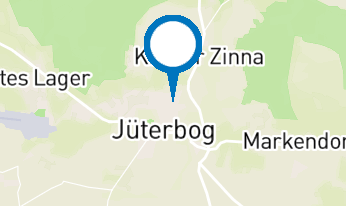
Am Kloster 6

14913 Jüterbog OT Kloster Zinna
Weather Today, 24. 12.

-6 -4
clear sky

  • Thursday
    -6 -1
  • Friday
    -5 2

Holiday region

Tourismusverband Fläming e.V.

Zum Bahnhof 9
14547 Beelitz

Tel.: +49 (0) 33204-62870
Fax: +49 (0) 33204-618761

Weather Today, 24. 12.

-6 -4
clear sky

  • Thursday
    -6 -1
  • Friday
    -5 2

Alle Informationen, Zeiten und Preise werden regelmäßig geprüft und aktualisiert. Trotzdem können wir für die Richtigkeit der Daten keine Gewähr übernehmen. Wir empfehlen Ihnen, vor Ihrem Besuch telefonisch / per E-Mail oder über die Internetseiten des Anbieters den aktuellen Stand zu erfragen.